

June 23, 2026 | Automotive News
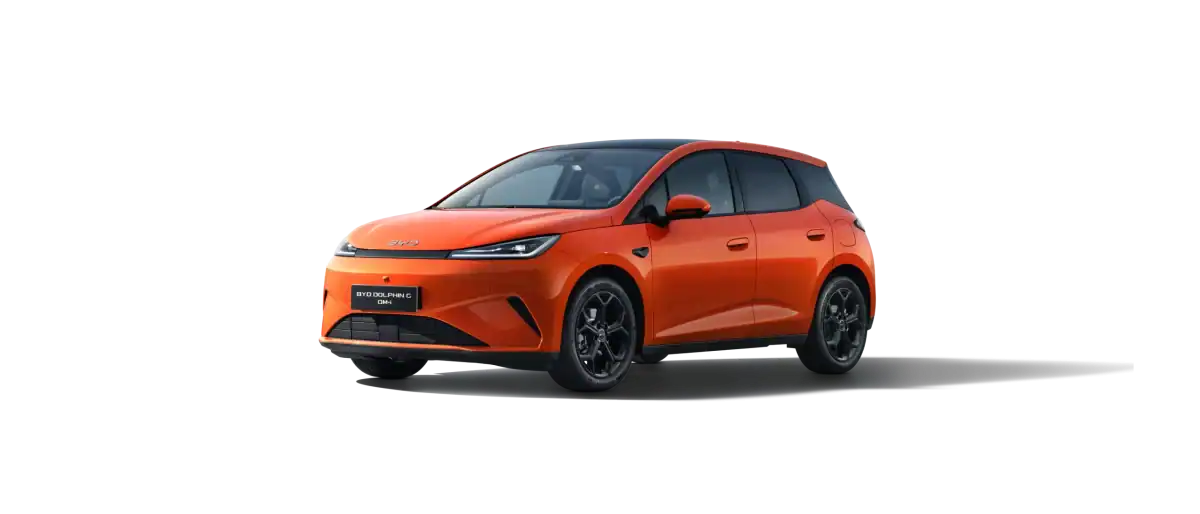
The entry-level electric vehicle (EV) segment continues to heat up in China, with two compact models drawing significant attention from urban buyers: the BYD Seagull and the Geely Xingyuan. Both vehicles are positioned in the affordable EV category and target first-time car owners and city commuters. However, they differ in design philosophy, space utilization, and driving characteristics, making the comparison increasingly relevant for budget-conscious consumers.
Growing Competition in the Entry-Level EV Market
As China’s electric vehicle market expands globally, automakers are intensifying competition in the sub-100,000 RMB (approximately $14,000) segment. The BYD Seagull, produced by BYD, has become one of the most recognizable compact EVs in the urban mobility category. Meanwhile, the Geely Xingyuan, developed by Geely, represents the brand’s push into more practical and family-oriented small EVs.
While both models share similar pricing strategies, their intended user groups differ significantly.
Vehicle Size and Interior Space
One of the most notable differences between the two models lies in their dimensions and cabin space.
The Geely Xingyuan is designed with a larger body structure, offering improved rear-seat comfort and greater cargo capacity. This makes it more suitable for small families or users who require additional practicality in daily use.
In contrast, the BYD Seagull adopts a more compact footprint. Its smaller size provides excellent maneuverability in dense urban environments, making it particularly attractive for drivers who frequently navigate tight streets and limited parking spaces.
Performance and Driving Characteristics
Performance tuning also highlights a clear distinction between the two vehicles.
The Geely Xingyuan delivers stronger acceleration and a more stable driving experience at higher speeds. It is positioned as a small EV with enhanced driving confidence, especially for users who travel beyond city limits.
The BYD Seagull, by comparison, prioritizes efficiency and smooth city driving. It offers adequate performance for daily commuting, but is clearly optimized for urban mobility rather than highway performance.
Chassis and Ride Comfort
The two vehicles also differ in their chassis configurations.
The Geely Xingyuan features a more advanced rear suspension setup, contributing to improved ride comfort and handling stability. This gives it a more refined driving feel, particularly on longer journeys.
The BYD Seagull adopts a simpler suspension structure focused on cost efficiency and urban comfort. While not as sophisticated, it remains suitable for typical city driving conditions.
Smart Technology and Driver Assistance
In terms of intelligent features, BYD maintains an advantage in its entry-level EV lineup.
The BYD Seagull offers a more advanced suite of driver assistance technologies, depending on trim level, including enhanced parking and safety support systems. The Geely Xingyuan provides standard driver assistance features, though it is generally considered less advanced in terms of smart driving capability.
Target Users and Practical Application
The two models are clearly designed for different consumer profiles.
The BYD Seagull is best suited for:
- Urban commuters
- First-time EV buyers
- Drivers prioritizing affordability and efficiency
The Geely Xingyuan is better suited for:
- Users needing more cabin space
- Small families
- Drivers seeking improved ride comfort and performance
Market Outlook
As competition intensifies in the compact EV segment, both models reflect broader trends in China’s electric vehicle industry: increasing affordability, improved technology integration, and diversified product positioning.
Rather than directly replacing each other, the BYD Seagull and Geely Xingyuan represent two distinct interpretations of the entry-level EV: one focused on maximum urban efficiency, the other on enhanced practicality within a compact footprint.
Conclusion
The comparison between the BYD Seagull and Geely Xingyuan is less about which vehicle is objectively better, and more about matching user needs.
Consumers seeking a compact, efficient city EV may prefer the BYD Seagull, while those prioritizing space and driving comfort may find the Geely Xingyuan more suitable.
As the entry-level EV market continues to evolve, both models are expected to play important roles in shaping affordable electric mobility for urban drivers.