
Introduction
As electric vehicles become increasingly mainstream, buyers are faced with more choices than ever before. Among the growing list of affordable EVs, the BYD Dolphin has emerged as one of the most popular options worldwide. Thanks to its combination of practical design, competitive pricing, advanced battery technology, and global availability, the Dolphin has attracted attention from both first-time EV buyers and experienced electric vehicle owners.
But is the BYD Dolphin actually worth buying in 2026? This guide takes a closer look at its strengths, weaknesses, ownership costs, and overall value to help potential buyers make an informed decision.
Affordable Entry Into EV Ownership
One of the biggest reasons consumers consider the Dolphin is affordability. Compared with many electric vehicles from European, Japanese, and American brands, the Dolphin typically offers more equipment for the money.
Many entry-level EVs require buyers to pay extra for features such as advanced driver assistance systems, larger infotainment screens, or fast-charging capability. BYD includes many of these features as standard equipment, creating a strong value proposition.
For buyers transitioning from gasoline-powered vehicles, the Dolphin offers a relatively low barrier to entry into the EV world.
Practical Design for Everyday Use
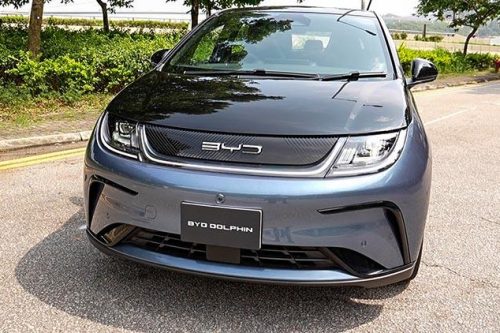
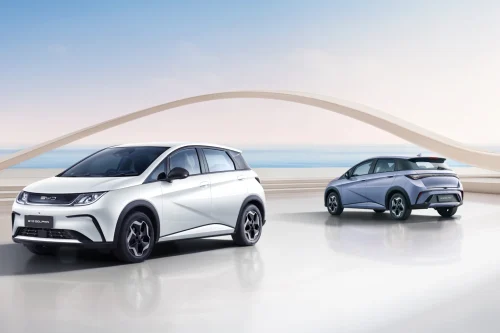
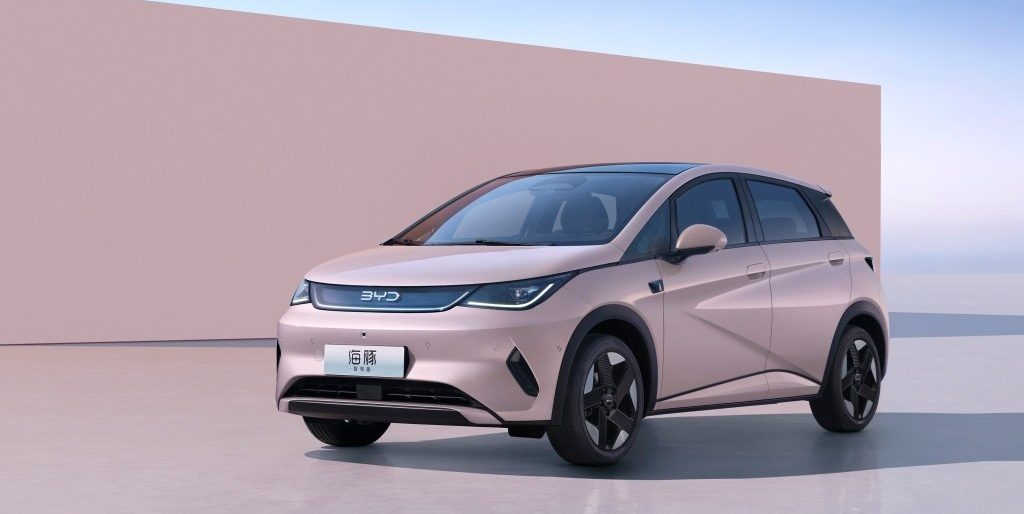
The Dolphin is designed primarily for urban and suburban driving. Its compact exterior dimensions make parking and maneuvering easy, while the long wheelbase helps maximize interior space.
The cabin comfortably accommodates five passengers, and the rear seats provide more room than many competitors in the same class.
Practical features include:
- Large touchscreen infotainment system
- Digital instrument cluster
- Multiple USB charging ports
- Wireless connectivity
- Flexible cargo space
For small families, daily commuters, and city drivers, these features make the Dolphin highly practical.
Blade Battery Technology
A major reason many buyers choose BYD vehicles is the company’s Blade Battery technology.
Unlike many competitors that rely on nickel-based battery chemistries, the Dolphin uses Lithium Iron Phosphate (LFP) batteries. This technology offers several advantages:
- Excellent safety performance
- Long battery lifespan
- Improved thermal stability
- Lower degradation over time
- Reduced dependence on expensive raw materials
The Blade Battery has become one of BYD’s strongest selling points globally.
Driving Experience
The Dolphin is not designed as a high-performance sports car. Instead, it focuses on delivering a comfortable and efficient driving experience.
Electric torque provides smooth acceleration from a standstill, making city driving enjoyable. The steering is light and predictable, while the suspension is tuned for comfort rather than aggressive handling.
Drivers looking for practicality and ease of use are likely to appreciate the Dolphin’s character.
Safety and Technology
Safety has become increasingly important in the EV market. The Dolphin offers a wide range of driver assistance features, including:
- Automatic Emergency Braking
- Adaptive Cruise Control
- Lane Keeping Assist
- Blind Spot Monitoring
- Rear Cross Traffic Alert
These systems help the vehicle compete with more expensive electric models.
Ownership Costs
The Dolphin’s ownership costs are typically lower than comparable gasoline vehicles.
Benefits include:
- Lower energy costs
- Reduced maintenance requirements
- Fewer moving parts
- Competitive warranty coverage
Many owners find that long-term operating expenses remain significantly lower than traditional internal combustion vehicles.
Final Verdict
The BYD Dolphin is worth buying for consumers seeking an affordable, practical, and well-equipped electric vehicle. While it may not be the most exciting EV on the market, it delivers excellent value, strong safety credentials, reliable battery technology, and low operating costs.
For many buyers in 2026, the Dolphin remains one of the smartest entry-level EV choices available.