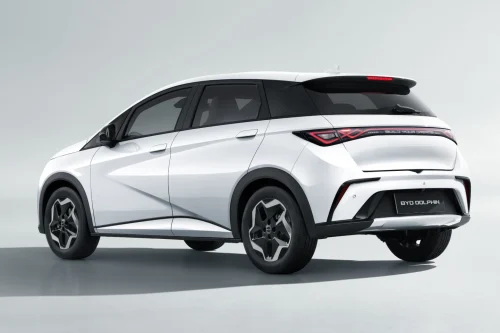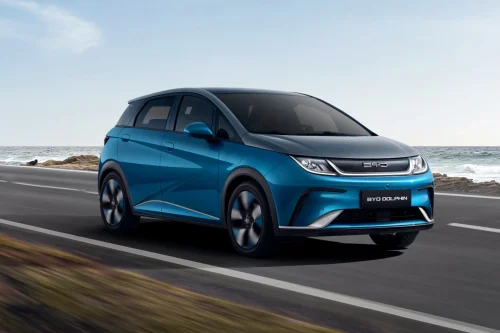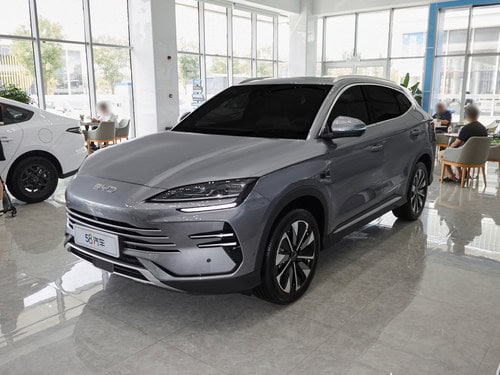
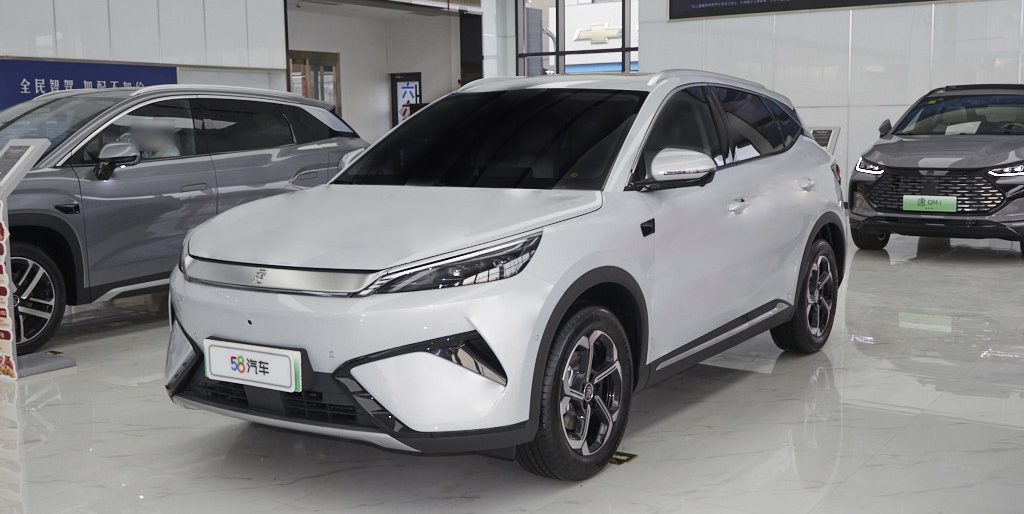

The rise of China’s electric vehicle technology has become a key topic among young car buyers. One of the most discussed models is the BYD Han EV, particularly the 2020 AWD High Performance Flagship version.
This article provides a structured technical breakdown covering design, battery technology, driving performance, smart systems, and real-world range behavior in different climates.
1. Exterior Design and Aerodynamic Engineering
The BYD Han EV adopts the brand’s latest “Dragon Face” design language, giving it strong visual identity and a premium appearance comparable to many luxury vehicles.
As a fully electric sedan, the front grille is fully enclosed to improve aerodynamics. A chrome strip connects the slim matrix LED headlights, which integrate daytime running lights for a clean and modern look.
Key exterior features include:
- Fastback-style aerodynamic silhouette
- Hidden door handles to reduce drag and improve efficiency
- 19-inch dual-tone alloy wheels with Goodyear tires for stability and comfort
- Sleek rear through-type taillights with chrome detailing
The vehicle dimensions are:
- Length: 4980 mm
- Width: 1910 mm
- Height: 1495 mm
- Wheelbase: 2920 mm
- Vehicle weight: under 2.2 tons
Overall, the design emphasizes aerodynamics, stability, and premium road presence.

2. Interior and Infotainment System
The BYD Han EV features a highly interactive digital cockpit centered around a 15.6-inch rotating touchscreen.
The infotainment system, known as DiLink, is based on an Android architecture and supports app installation similar to a tablet device.
Supported applications include:
- TikTok (Douyin)
- iQIYI
- Today’s Headlines
- Karaoke apps
Key features include:
- 540-degree surround view camera system
- Side blind-spot camera assistance
- OTA (over-the-air) software updates
- Voice control activation via “Hi, Xiao Di”
- Child voice recognition for in-car entertainment mode switching
The system also supports smartphone connectivity for easier transition between devices.
The driver interface includes:
- A 12.3-inch full digital instrument cluster
- Dynamic UI themes that change with driving modes
- A sporty dual-spoke steering wheel design
3. Advanced Driver Assistance System (ADAS)
The 2020 flagship model is equipped with Level 2 driver assistance capabilities, supported by approximately 20 onboard sensors.
Available functions include:
- Adaptive cruise control (full-speed range)
- Automatic parking assistance
- Hill-start assist
- Lane keeping support
Real-world performance:
In adaptive cruise testing at around 50 km/h, the system demonstrates stable performance in moderate traffic conditions and can handle occasional cut-ins smoothly. It also helps reduce driver fatigue in congested traffic.
Parking assistance:
The automatic parking system achieves an estimated success rate of around 80% in real-world tests. It supports:
- Parallel parking
- Perpendicular parking
- Angled parking
- Side parking scenarios
Importantly, even in failed attempts, the system avoids collisions by maintaining safety margins.
4. Blade Battery Technology and Powertrain Performance
One of BYD’s most important innovations is the Blade Battery system, and the Han EV is among the first models to adopt it.
Compared with traditional battery pack structures, the Blade Battery reduces intermediate modules and integrates cells more efficiently, resulting in:
- Improved energy density
- Reduced overall weight
- Enhanced safety performance
- More stable long-term durability
Battery range:
The high-performance AWD version delivers an official range of approximately 550 km (NEDC/early standard).
5. Electric Motor Performance and Driving Experience
The AWD version features a dual-motor setup:
- Total power output: 363 kW
- Total torque: 680 Nm
- 0–100 km/h acceleration: 3.9 seconds (official)
In real-world testing with sport mode activated and traction control reduced, the vehicle achieves approximately 4.07 seconds 0–100 km/h acceleration, confirming strong performance capability.
Driving modes:
- Eco Mode: Smooth and efficiency-focused
- Snow Mode: Stability-oriented for low-traction conditions
- Sport Mode: Aggressive throttle response and rapid acceleration
Even in a large sedan, Sport Mode delivers strong push-back acceleration similar to performance-oriented vehicles.
6. Real-World Range: Summer vs Winter Performance
Although the official range is around 550 km, real-world conditions vary significantly.
Summer performance:
- Real-world range: ~470–480 km
- Minor deviation from official figures
Winter performance (cold regions):
- Tested in temperatures around -15°C
- Real-world range drops to approximately 240 km
- Range reduction exceeds 50% in extreme cold conditions
This highlights a key factor for EV buyers: climate significantly affects electric vehicle range performance, especially in colder regions.
Conclusion
The BYD Han EV is a technologically mature electric sedan combining strong performance, advanced battery technology, and a highly integrated smart cockpit system.
Key strengths include:
- Advanced Blade Battery safety and structure
- Strong AWD performance and acceleration
- Feature-rich DiLink infotainment system
- Comfortable and stable driving dynamics
However, real-world range variability—especially in cold climates—remains an important consideration for potential buyers.
Overall, the Han EV represents a balanced combination of performance, technology, and practicality in the mid-to-large electric sedan segment.