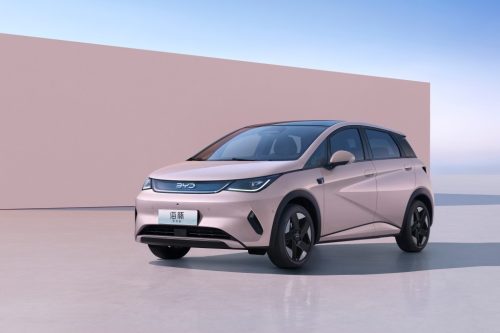
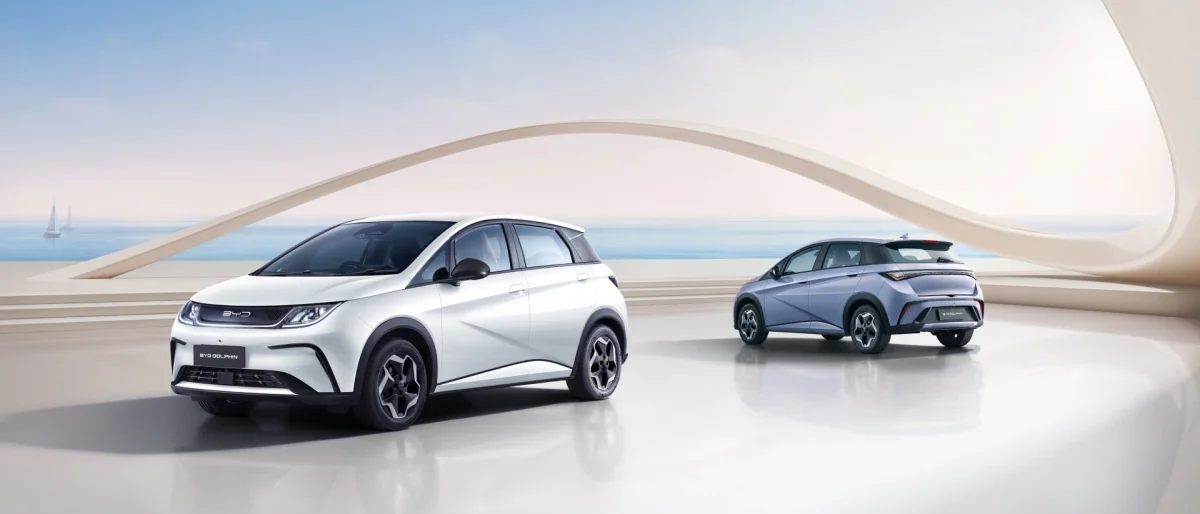

On May 11, the 2026 model of the BYD Seagull was officially launched in China. Many buyers are now comparing whether to purchase the new model or take advantage of discounts on the outgoing version.
This comparison is based strictly on official specifications and MSRP, without dealer incentives, to clearly explain what has changed—and what has not.
The goal is to separate confirmed updates from widely circulated misinformation and provide a straightforward buying reference.
1. Three Common Myths About the 2026 Model (Debunked)
Several online claims about major upgrades are inaccurate:
- No 505 km range version: The 2026 BYD Seagull still offers two official range variants—305 km and 405 km (CLTC). There is no 505 km version.
- No second-generation Blade Battery: The vehicle continues to use the first-generation BYD Blade Battery (LFP). No second-generation upgrade has been introduced.
- No increase in motor power: The motor output remains at 55 kW, unchanged from the previous model.
In short, the core electric powertrain system remains the same as the outgoing model.
2. Official Price Comparison
| Model | Official Price Range |
|---|---|
| Old model | RMB 69,800 – 85,800 |
| 2026 model | RMB 69,900 – 85,900 |
The price increase is only around RMB 100. This effectively positions the 2026 model as a lightly upgraded version rather than a full redesign.
3. Exterior Updates
The 2026 model introduces several visible design changes:
- Wiper system upgrade: The old single-wiper setup is replaced with a dual-wiper system with multiple speed settings, improving rain visibility.
- Wheel design upgrade: All trims now feature 16-inch alloy wheels, replacing the previous 15-inch setup, with a more aggressive darkened design.
- New color options and rear design updates: New exterior colors such as orange and mint green are added. The rear BYD badge is integrated into the taillight design with a light-up logo effect.
4. Interior and Comfort Improvements
Several updates focus on improving usability and comfort:
- Center armrest added: The new model introduces a folding center armrest, addressing a common complaint about the lack of arm support in the previous version.
- Seat improvements: The headrests are now independently adjustable, replacing the previous fixed integrated design. Seat cushioning has also been improved.
- Standard automatic air conditioning: Lower trims of the old model used manual AC, while the 2026 version upgrades to automatic climate control.
- Interior materials upgrade: New light-colored interior theme with increased soft-touch materials.
- Wireless charging upgrade: Higher trims support up to 50W ventilated wireless charging.
- Additional ergonomic upgrades: Improved steering wheel adjustment and increased driver seat electric adjustment functions.
5. Smart Driving and ADAS Upgrade
The most significant upgrade in the 2026 model is in driver assistance systems:
- All trims now come standard with BYD’s “God’s Eye C” (DiPilot system entry level).
- New features include:
- Lane change assistance via indicator
- Automatic emergency braking
- Remote parking support
Higher-end configurations offer optional upgrades:
- Optional “God’s Eye B” system with lidar
- Advanced features may include urban NOA (Navigate on Autopilot), traffic light recognition, and roundabout navigation
6. Powertrain and Platform: No Changes
Key mechanical specifications remain unchanged:
- Motor output: 55 kW
- Battery: First-generation BYD Blade LFP battery
- Range: 305 km / 405 km (CLTC)
- Fast charging: 40 kW
- Dimensions: 3780 × 1715 × 1540 mm, wheelbase 2500 mm
This confirms that the 2026 update is not a generation change.
7. Summary of Key Differences
Overall, the 2026 model is a minor refresh rather than a full redesign.
What changed:
- Dual wipers
- 16-inch wheels
- New exterior colors and rear light design
- Improved seats and interior materials
- Automatic air conditioning
- Enhanced wireless charging
- Standard entry-level ADAS system
What did NOT change:
- Battery technology
- Motor power
- Driving range
- Vehicle platform and size
8. Buying Advice
For everyday city commuting and short-distance use, the outgoing model remains a strong value option, especially when discounted.
The 2026 model may be more suitable for buyers who prioritize:
- Driver assistance features
- Interior comfort improvements
- Slightly more modern design updates
However, since it is newly launched with minimal pricing difference and no major powertrain changes, many buyers may choose to wait for market discounts before purchasing.